
The conversation around mental health is shifting globally, and psilocybin assisted therapy in Europe is at the forefront of this profound transformation. For decades, traditional psychiatric treatments have struggled to provide lasting relief for conditions like treatment-resistant depression, anxiety, and PTSD. Today, a renaissance in psychedelic science is challenging old paradigms, and European nations are increasingly open to exploring the therapeutic potential of psilocybin.
In this comprehensive guide, we will dive deep into the state of psilocybin assisted therapy in Europe, looking at the regulatory landscape, pioneering clinical trials, the experience of therapy, and what the future holds for patients seeking alternative treatments.
What is Psilocybin Assisted Therapy?
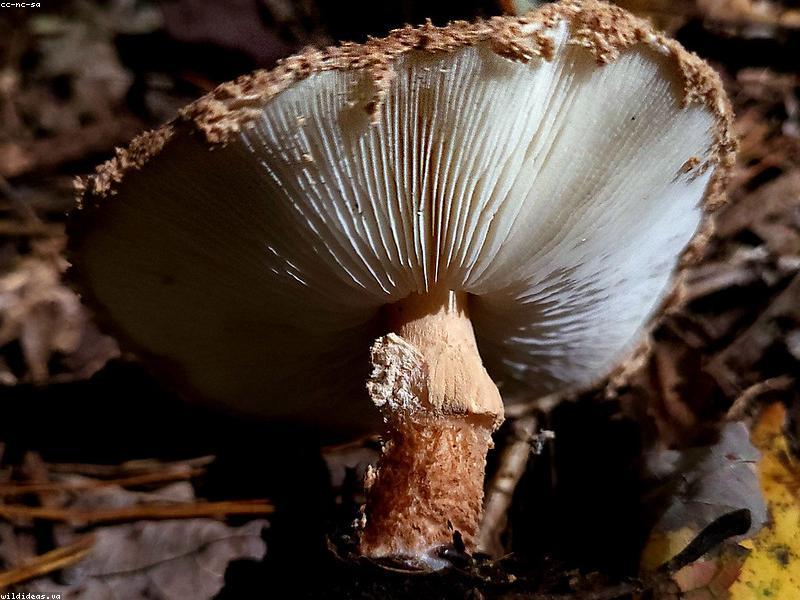
Psilocybin is the naturally occurring psychoactive compound found in certain species of mushrooms, commonly known as “magic mushrooms.” Psilocybin assisted therapy involves the supervised use of this compound in a clinical or therapeutic setting, guided by trained mental health professionals.
Unlike traditional antidepressants that are taken daily to manage symptoms, psilocybin assisted therapy typically involves only one to three dosing sessions, accompanied by extensive preparatory and integration therapy. This holistic approach aims to address the root causes of mental distress rather than simply masking symptoms. The results from early studies have been groundbreaking, showing significant, rapid, and enduring improvements in patients’ mental well-being. For a look at independent, science-based resources beyond clinical therapy settings, see our guide on responsible use.
The Regulatory Landscape: Psilocybin Assisted Therapy in Europe
The legal status of psilocybin varies wildly across the European continent. While the European Union shares many economic and political frameworks, healthcare and drug scheduling remain largely under the jurisdiction of individual member states. However, the push for psilocybin assisted therapy in Europe is gaining momentum, driving policy changes and opening up new avenues for legal access.
The Netherlands: A Unique Pioneer
The Netherlands occupies a unique position in the European psychedelic landscape. While “magic mushrooms” were banned in 2008, “magic truffles”—which contain the exact same psychoactive compounds (psilocybin and psilocin)—remain perfectly legal. This loophole has allowed a thriving industry of psychedelic retreat centers to emerge. While these are often wellness retreats rather than strictly medical environments, many employ trained therapists and facilitators to provide experiences closely mirroring clinical psilocybin assisted therapy.
Switzerland: The Compassionate Use Framework
Switzerland, with its rich history of psychedelic research (LSD was discovered here by Albert Hofmann), has taken a pragmatic approach. Through a compassionate use program overseen by the Swiss Federal Office of Public Health (FOPH), licensed Swiss psychiatrists can apply for special permission to administer psilocybin to patients who have not responded to conventional treatments. This makes Switzerland one of the few places where true, medical-grade psilocybin assisted therapy in Europe is legally accessible outside of clinical trials.
The United Kingdom: Leading in Clinical Research
The UK is a powerhouse when it comes to clinical research into psychedelics. World-renowned academic institutions like the Imperial College London Centre for Psychedelic Research and King’s College London are conducting clinical trials on psilocybin for depression, anorexia, and OCD. Furthermore, major European research bodies and organizations like the Beckley Foundation are generating crucial peer-reviewed data for the eventual approval of psilocybin assisted therapy in Europe and globally.
Clinical Trials and the Path to Medical Approval
The European Medicines Agency (EMA), the EU body responsible for evaluating medicinal products, plays a critical role in the future of these treatments. The EMA has engaged with psychedelic medicine developers to establish rigorous clinical evidence standards. Currently, several late-stage clinical trials published in leading medical journals indexed on PubMed / National Library of Medicine (NIH) are taking place across Europe.
These trials are crucial because they aim to prove the safety and efficacy of psilocybin in a highly controlled manner. If successful, these trials will pave the way for the EMA to grant market authorization for psilocybin-based medicines. This would be a watershed moment for psilocybin assisted therapy in Europe, effectively standardizing the treatment and making it available via prescription across all EU member states.
Key Focus Areas of Research
- Treatment-Resistant Depression (TRD): This is the most studied indication for psilocybin, backed by clinical research from the Johns Hopkins Center for Psychedelic and Consciousness Research. Patients who have failed to respond to at least two different antidepressants are finding hope in clinical trials across Europe.
- End-of-Life Anxiety: Studies are exploring how psilocybin can help patients with terminal illnesses cope with existential distress.
- Addiction: Researchers supported by organizations like MAPS are investigating psilocybin’s potential to treat alcohol use disorder and smoking cessation, capitalizing on its ability to help break deeply ingrained behavioral patterns.
The Patient Experience: What to Expect
For those seeking psilocybin assisted therapy in Europe, whether through a clinical trial, a compassionate use program in Switzerland, or a legal retreat in the Netherlands, the structure of the experience is remarkably consistent. The therapeutic model is generally broken down into three distinct phases:
1. Preparation
Before any psilocybin is consumed, patients undergo several therapy sessions. This phase is about building trust with the therapists, setting intentions, and preparing for the potentially intense psychological experience. A strong therapeutic alliance is considered critical for a successful outcome.
2. The Dosing Session
The dosing session typically takes place in a carefully curated environment—often a comfortable room with dim lighting, soft music, and eye shades. The patient consumes the psilocybin and lies down, turning their attention inward. Two trained therapists are usually present throughout the entire 6-8 hour session, offering non-directive support and ensuring the patient’s physical and emotional safety.
3. Integration
This is arguably the most important phase of psilocybin assisted therapy in Europe. In the days and weeks following the dosing session, patients work with their therapists to process the insights and emotions that surfaced during the experience. Integration helps patients translate profound, often abstract psychedelic experiences into concrete, positive changes in their daily lives.

The Future of Psilocybin Assisted Therapy in Europe
The trajectory of psilocybin assisted therapy in Europe points firmly toward integration into mainstream medicine. As clinical trials progress and public opinion shifts, we can expect to see more regulatory flexibility.
However, challenges remain. Scaling up this highly resource-intensive therapy model (requiring two therapists for an entire day) will require significant investment in training and infrastructure. There are also critical conversations happening about equity and access—ensuring that these life-changing therapies are available to everyone who needs them, not just those who can afford expensive private care.
In the coming years, we may see the establishment of specialized psychedelic clinics across major European cities. Training programs for psychedelic therapists are already emerging, preparing a new generation of healthcare professionals for this paradigm shift. Shroomyz operates physical stores in Austria and Lithuania, with EU-wide delivery available everywhere in between — see our Delivery Policy for details.
Conclusion
The exploration of psilocybin assisted therapy in Europe is more than just a medical advancement; it represents a fundamental rethinking of how we approach mental health and human suffering. By combining ancient botanical knowledge with rigorous modern science, Europe is helping to pave the way for a more compassionate and effective model of psychiatric care. As research continues to unfold, the hope is that these powerful tools will soon be safely and legally available to all who stand to benefit from them. If you have questions about our products or delivery in the meantime, contact us directly.